
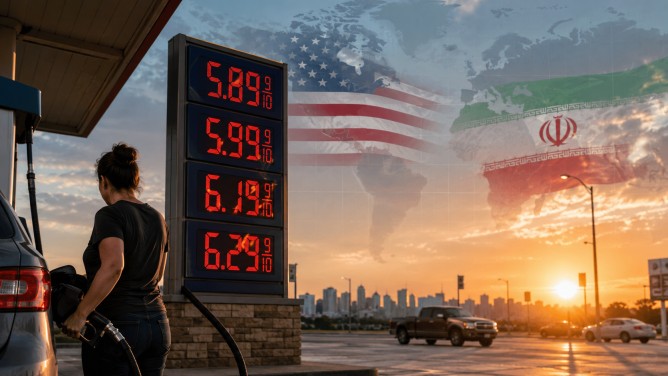
Gasoline prices in the United States have surged to unprecedented levels for August, reaching an average of $4.06 per gallon nationally. This represents an increase of approximately 5 cents from the previous week and about $1 more than the same time last year. In some states, such as California and Hawaii, prices have soared even higher, averaging around $5.50 per gallon. The escalation in fuel costs coincides with stalled diplomatic negotiations between the United States and Iran, as well as ongoing tensions around the Strait of Hormuz, a critical artery for global oil transport.
The price of oil has been consistently high since the onset of the US-Israel conflict with Iran, especially following disruptions in the Strait of Hormuz. Brent crude oil prices had previously spiked to $112 per barrel before seeing a slight reduction, yet they remain significantly above last year’s levels. A brief dip in gasoline prices was observed when temporary agreements appeared to ease US-Iran tensions. However, the situation has reversed, and prices are climbing again due to stalled diplomatic efforts and growing concerns over a potential prolonged conflict.
The recent spike in gasoline prices follows a missed opportunity for an agreement on Iran’s nuclear program, as the 60-day diplomatic window closed without resolution. Further complicating the geopolitical landscape, President Trump has issued new threats against Oman, raising fears of further regional escalation. These developments have resulted in increased anxiety about the stability of energy supplies and their potential impact on global markets.
For American households, the rising cost of gasoline adds to the financial strain amid already high living expenses. Over the past six months, consumers in the US have spent tens of billions more on gasoline than they would have prior to the conflict. This financial burden is compounded by the possibility of renewed inflationary pressures should energy costs remain elevated for an extended period.