
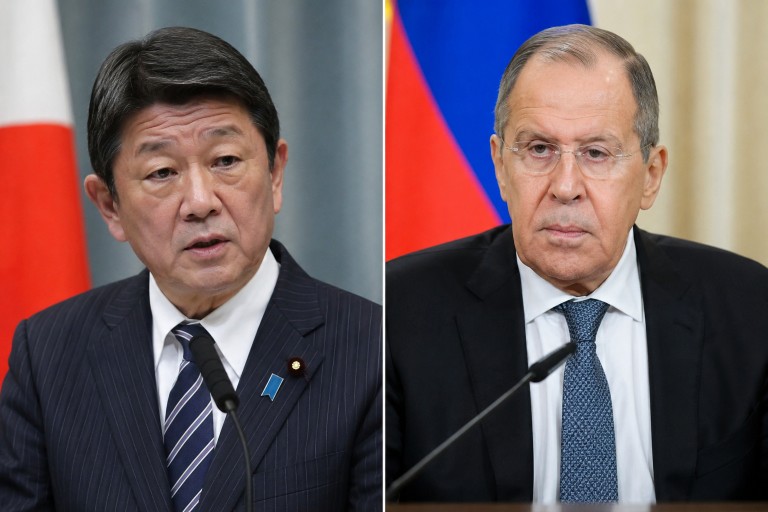
Japan’s recent diplomatic maneuvers to maintain communication with Russia have sparked unease among several European nations in the lead-up to the G7 summit. This development underscores differing views within the international community on engaging Moscow amid the ongoing conflict in Ukraine. Japan’s interactions with Russian officials have been met with skepticism by some European countries, who argue that such engagement may undermine the broader Western strategy aimed at isolating Russia through sanctions and political pressure.
In late May, representatives from Japan’s foreign and trade ministries, along with major business organizations, traveled to Russia. Their meetings with Russian officials centered on economic development and the interests of Japanese companies operating within the country. Japanese officials have justified these discussions by emphasizing the significance of keeping communication channels open, even during times of diplomatic tension, to safeguard the assets and operations of Japanese businesses in Russia.
This diplomatic engagement has sparked a debate in Japan about the delicate balance between adhering to international sanctions against Russia and protecting Japan’s own economic and energy interests. Some political leaders in Japan have advocated for improved relations with Moscow, citing concerns over long-term energy security. Despite these interactions, Japan has reaffirmed its support for Ukraine and remains committed to the G7’s sanctions policies. Recently, Tokyo announced additional financial aid to support international efforts in assisting Ukraine, highlighting its alignment with the broader Western stance.
Japanese leaders have clarified that no high-level political meetings with Russian officials are planned at this time. At the upcoming G7 summit, Prime Minister Sanae Takaichi is expected to reiterate Japan’s support for Ukraine and address concerns from European partners about Tokyo’s engagement with Moscow. The situation will be closely monitored as G7 leaders aim to present a united front on Russia while balancing their national economic and security interests.