
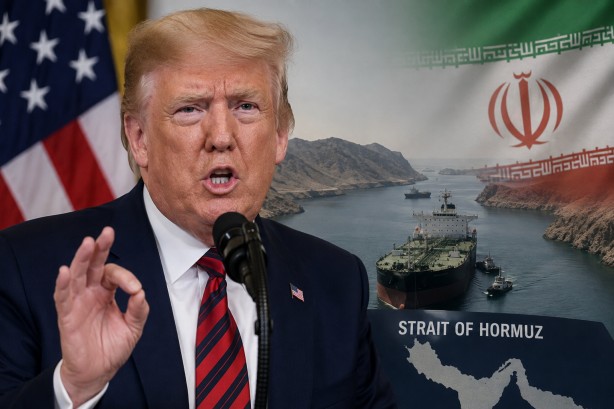
In a significant development, Iran has issued a stern warning to Gulf states, indicating that any fresh military action by the United States on Iranian soil would prompt retaliatory strikes against vital energy infrastructure throughout the Gulf region. This message was relayed through discussions involving Iranian Foreign Minister Abbas Araqchi and senior officials from Saudi Arabia, Qatar, Turkey, and Pakistan. Iran’s call to its regional allies was clear: they should urge the U.S. to refrain from further military provocations, as any assault on Iran would lead to counterattacks targeting U.S. assets and crucial energy facilities in the area.
This warning comes in the wake of U.S. President Donald Trump’s recent threats aimed at Iran’s energy infrastructure. Although Iran has emphasized its preference for diplomacy, it has made it abundantly clear that it stands ready to retaliate if attacked. Saudi Arabia, in particular, has reportedly advised the United States to focus on diplomatic negotiations to avoid escalating tensions, while simultaneously asserting its readiness to defend its own territory against any potential aggression.
Iran’s cautionary stance reportedly encompasses possible strikes on oil facilities, refineries, power grids, water systems, transportation networks, and oil fields in the event of another U.S. military strike. Such actions underscore the mounting concerns that renewed hostilities could severely disrupt energy supplies across the Gulf and exacerbate regional instability.
The situation has prompted regional leaders to continue advocating for diplomatic solutions to avert a broader conflict that could have far-reaching implications, including jeopardizing global energy markets. The emphasis remains on preventing a situation that could lead to heightened turmoil and impact the delicate balance of energy production and distribution in the Gulf.