
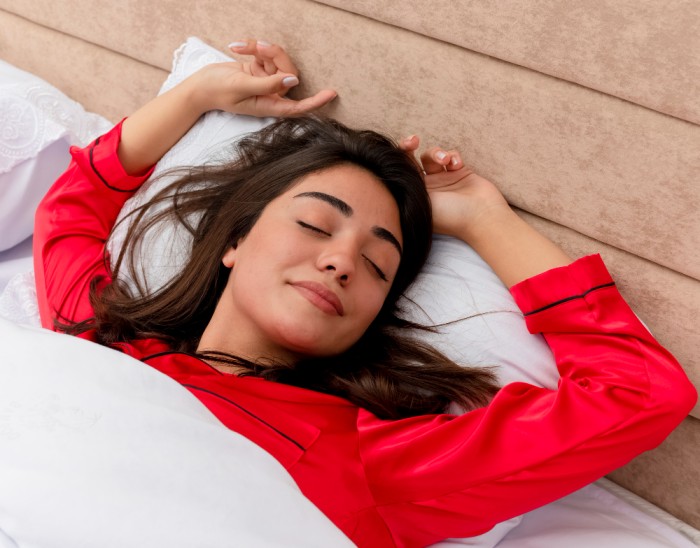
Sleeping with wet hair after a late-night shower might seem inconsequential, but dermatology specialists warn that making it a routine could have adverse effects on both your scalp and hair health. The combination of warmth and moisture during sleep creates an ideal environment for the proliferation of naturally occurring fungi and microbes. Over time, this can lead to scalp issues such as itching, irritation, flakes resembling dandruff, excessive oiliness, and discomfort for some individuals.
Hair in its wet state is notably more fragile compared to when it is dry. As it rubs against a pillow throughout the night, the continual friction from movements like tossing and turning can compromise the integrity of the hair strands. This increases the likelihood of breakage, split ends, and frizz. While such damage does not directly contribute to hair loss, persistent breakage can eventually make the hair appear thinner.
Dermatology experts emphasize that occasionally sleeping with wet hair is unlikely to cause significant damage, especially for those with healthy scalps. However, consistently making this a nightly habit may gradually undermine hair strength and scalp health. To mitigate these risks, it is advisable to ensure hair is dry before sleeping. Allowing it to dry naturally or using a hair dryer set to a cool or low-heat mode can effectively remove excess moisture.
By keeping the scalp dry before bed, individuals can maintain healthier hair and decrease the chances of irritation or microbial growth. This simple precaution can play a significant role in preserving both scalp and hair condition, emphasizing the importance of small changes in nightly routines for long-term benefits.