
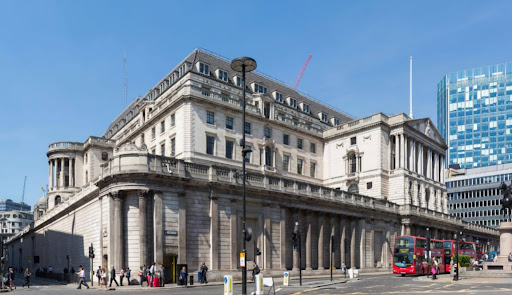
The Bank of England delivered what analysts described as its starkest inflation warning in months when it held interest rates at 3.75% on Thursday and explicitly raised the prospect of rate hikes in the coming months due to the Iran war. The unanimous hold decision was overshadowed by the committee’s warning that energy prices driven up by the US-Israel conflict could push UK inflation above 3% and require a monetary policy response. It was a message few had expected to hear from a central bank that had appeared to be on a dovish trajectory.
The scale of the energy market disruption caused by the Iran conflict has surprised many analysts. Oil and gas prices have risen sharply since the war began, directly threatening the UK’s inflation profile. The Bank now projects inflation climbing to around 3.5% by March and remaining above its 2% target throughout 2026, a significant upward revision from recent forecasts.
Governor Andrew Bailey acknowledged the difficulty of the situation but said the Bank had the tools and the will to respond if necessary. He pointed to rising petrol prices as visible evidence of the shock already in progress and warned that energy bills could follow later in the year. His comments combined genuine concern with a deliberate attempt to avoid signalling a predetermined path.
Markets were not calmed by the governor’s balanced tone. UK gilt yields climbed, the FTSE 100 fell, and the pound strengthened against the dollar as traders priced in a June rate hike and possibly a second before year end. Analysts described the market reaction as a rational response to an increasingly hawkish central bank.
The changing monetary landscape has direct consequences for millions of UK households, many of whom have only recently begun to see relief from the cost-of-living crisis. Rising mortgage rates and higher energy bills could combine to create fresh financial pressure in the second half of the year. The government faces difficult choices about how to respond as the Bank’s rate path becomes increasingly uncertain.